

Many people with disabilities wonder if they can train your own service dog instead of paying thousands for professional programs. The good news? Federal law absolutely allows this option. The Americans with Disabilities Act (ADA) does not require service dogs to come from specific organizations or professional trainers.
Understanding your legal rights and the training process can help you make an informed decision. While owner-training requires significant time and dedication, it offers flexibility and cost savings that appeal to many handlers.
What the ADA Says About Service Dog Training
The ADA explicitly states that service dogs can be trained by their handlers or professional organizations. Title II and Title III regulations make no distinction between professionally trained and owner-trained service dogs when it comes to public access rights.
According to federal guidelines, a service dog must be "individually trained to do work or perform tasks for people with disabilities." The law focuses on the dog's ability to perform specific disability-related tasks, not who provided the training.
This means your owner-trained service dog has the same legal protections as dogs from expensive programs. They can accompany you in restaurants, stores, airplanes, and housing that typically prohibits pets. No business can demand proof of professional training or certification.
However, the dog must still meet behavioral standards. Service dogs must be under control, housebroken, and not disruptive to others. Poor behavior can result in removal from public spaces, regardless of training source.
Owner Training Basics: Getting Started
Before beginning to train your own service dog, evaluate your disability needs and choose an appropriate candidate. Not every dog has the temperament for service work. Look for calm, intelligent, and eager-to-please personalities.
Start training as early as possible, ideally with puppies between 8-16 weeks old. Adult dogs can learn service tasks, but may require more time to overcome existing habits. Consider the dog's health, size, and energy level for your specific disability requirements.
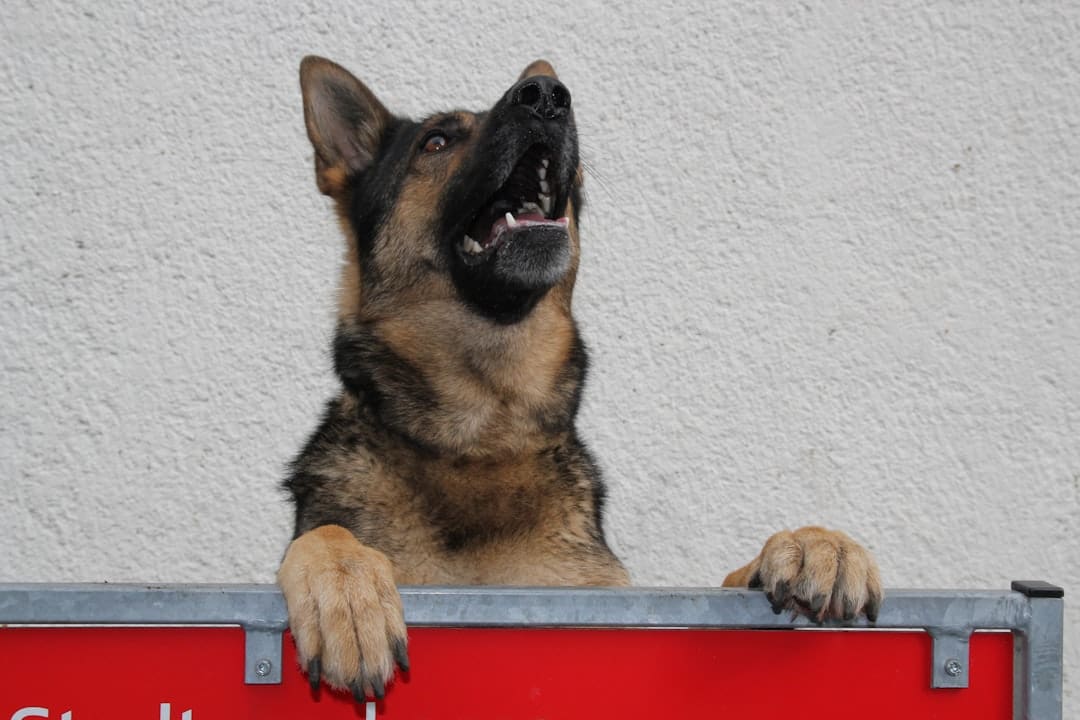
Basic obedience forms the foundation of all service dog training. Your dog must master sit, stay, come, down, and heel commands before learning specialized tasks. These skills ensure safety and control in public environments.
Socialization ranks equally important as obedience. Expose your dog to various environments, sounds, people, and situations they'll encounter as working animals. Gradual exposure builds confidence and reduces anxiety in new settings.
Create a structured training schedule with short, frequent sessions. Most dogs learn best with 10-15 minute training periods several times daily. Consistency and positive reinforcement produce better results than lengthy, infrequent sessions.
Realistic Training Timelines and Expectations
Owner-training typically takes 1-2 years to produce a fully trained service dog. This timeline varies based on the dog's age, your experience level, and the complexity of required tasks. Simple tasks like retrieving items may take weeks to master, while complex medical alerts can require months.
Expect to spend 2-4 hours daily on training activities during the first year. This includes formal training sessions, socialization outings, and reinforcement throughout daily activities. The time investment decreases as the dog matures and masters core skills.
Professional programs often take 18-24 months, so owner-training timelines are comparable. Professional trainers work with dogs full-time, while owner-trainers balance training with other responsibilities.
Don't expect perfection immediately. Young dogs need time to develop impulse control and judgment. Even well-trained service dogs continue learning and refining skills throughout their working careers.
Budget for ongoing expenses beyond the initial dog cost. Training supplies, veterinary care, high-quality food, and potential professional consultation can cost $2,000-5,000 annually during the training period.
Pros and Cons of Training Your Own Service Dog
Owner-training offers several compelling advantages over professional programs. Cost savings rank as the primary benefit, with total expenses often 50-80% lower than program dogs. You also control the training timeline and can adapt methods to your specific needs.
The bond developed through training creates a stronger handler-dog relationship. You understand your dog's signals, motivations, and capabilities better than someone receiving a pre-trained animal. This connection enhances the working partnership.
Flexibility allows customization of tasks and behaviors for your unique disability requirements. Professional programs may not address every individual need, while owner-training can focus on specific challenges you face.

However, owner-training presents significant challenges. The time commitment can overwhelm people with demanding jobs or severe disabilities. Training mistakes early in the process can create behavioral issues requiring professional intervention to correct.
Lack of experience may result in inadequate socialization or incomplete task training. Professional trainers have years of expertise and resources that novice handlers lack. Some complex medical alerts require specialized knowledge to train effectively.
Not all owner-training attempts succeed. Some dogs lack the temperament for service work despite initial promise. Failed attempts mean lost time, emotional investment, and financial resources without a working service dog.
Essential Skills Every Service Dog Must Master
All service dogs must demonstrate reliable public access skills before entering businesses or transportation. These include walking on a loose leash, ignoring food and distractions, remaining calm around crowds, and responding immediately to handler commands.
Housebreaking requires absolute reliability in service dogs. Accidents in public spaces can result in access denial and damage the reputation of legitimate service dog teams. Practice in various environments, not just your home.
Task-specific training varies by disability type. Mobility dogs learn balance assistance, wheelchair navigation, and retrieval tasks. Medical alert dogs master scent detection and alerting behaviors. Psychiatric Service Dogs help with anxiety interruption and grounding techniques.
Emergency response training prepares dogs for crisis situations. This includes seeking help, remaining with handlers during medical emergencies, and following evacuation procedures. These skills can be life-saving for handlers with serious medical conditions.
Stress resilience helps dogs maintain performance in challenging environments. Service dogs encounter loud noises, crowds, and unexpected situations regularly. Training should include exposure to realistic stressors they'll face while working.
Legal Protections for Owner-Trained Service Dogs
Owner-trained service dogs enjoy identical legal protections as professionally trained animals under federal law. The ADA, Fair Housing Act, and Air Carrier Access Act apply equally regardless of training source.
Businesses cannot charge extra fees, require deposits, or impose restrictions on legitimate service dogs. Housing providers must make reasonable accommodations, even in no-pet properties. Airlines must transport service dogs in the cabin at no additional cost.
However, handlers must understand their responsibilities. Service dogs must be under control at all times and cannot be disruptive. Handlers are liable for any damage caused by their dogs and must clean up after them.
State laws may provide additional protections or requirements. Some states have specific regulations about service dog identification or training standards. Research your local laws to ensure full compliance.
Documentation requirements vary by situation. While businesses cannot demand certification, housing providers and airlines may request verification of disability and the dog's training. Having proper documentation prevents access challenges and reduces stress.
When to Consider Professional Training Help
Certain situations make professional training assistance valuable, even for dedicated owner-trainers. Complex medical alert tasks often require specialized knowledge and equipment that individual handlers lack.
Behavioral issues during training may need professional intervention. Aggression, excessive fearfulness, or compulsive behaviors can derail training progress and create safety concerns. Early professional consultation prevents minor issues from becoming major problems.
First-time handlers benefit from guidance during critical training phases. Professional trainers can assess progress, correct mistakes, and provide structured curricula that ensure comprehensive preparation.
Consider hybrid approaches combining owner-training with professional support. Some trainers offer consultation services, group classes, or intensive workshops that supplement home training efforts without the full program cost.
Time constraints may necessitate professional help. People with demanding careers or severe disabilities might need assistance to maintain consistent training schedules required for success.
Getting Proper Documentation and Support
While the ADA doesn't require service dog certification, having proper documentation prevents access challenges and provides peace of mind. Licensed Clinical Doctors can provide letters confirming your disability and need for a service dog.
As a 501(c)(3) nonprofit organization, TheraPetic® Healthcare Provider Group helps connect individuals with qualified Licensed Clinical Doctors who understand service dog requirements and can provide appropriate documentation when warranted.
Keep detailed training records documenting your dog's progress and task mastery. These records demonstrate the systematic training required by law and can be helpful if access issues arise. Include dates, skills practiced, and behavioral observations.
Consider joining support groups for owner-trainers. Online communities provide advice, troubleshooting help, and emotional support during challenging training phases. Experienced handlers often share valuable insights and resources.
Maintain ongoing veterinary care with complete health records. Service dogs need regular checkups, vaccinations, and health certificates for travel. Healthy dogs perform better and face fewer access challenges in public spaces.
The decision to train your own service dog requires careful consideration of your abilities, resources, and commitment level. While challenging, owner-training can produce excellent working dogs while building strong handler relationships.
Success depends on realistic expectations, consistent effort, and willingness to seek help when needed. The legal framework fully supports owner-trained service dogs, ensuring they receive equal recognition and protection under federal law.
If you're considering this path, start with thorough research and honest self-assessment. Connect with experienced trainers, join support networks, and ensure you have proper documentation for your disability needs. With dedication and patience, you can successfully train a service dog that transforms your daily life.
For assistance with service dog documentation from Licensed Clinical Doctors, visit our screening process or learn more about our comprehensive support services designed to help individuals navigate their service dog journey.
Written By
Ryan Gaughan, BA, CSDT #6202 — executive Director
TheraPetic®® healthcare Provider Group • About • LinkedIn • ryanjgaughan.com
Clinically Reviewed By
Dr. Patrick Fisher, PhD, NCC, BC-TMH, C-AAIS — founder & clinical Director • the Service Animal Expert™