

How Support Animals Help Children with Autism
If your child has been diagnosed with Autism Spectrum Disorder, you already know how hard the search for support can feel. Therapies, school accommodations, medications, behavioral interventions. The list is long and the decisions are heavy. One option that more families are exploring in 2026 is a autism support animal: a dog, cat, or other animal that provides real emotional and behavioral benefits to children with ASD.
This is not a trend. The connection between children with autism and animals has been studied and observed for decades by clinicians, parents and teachers alike. Animals do not judge. They do not get frustrated. They respond to a child's emotional state without words. For kids who struggle with communication and social connection, that kind of steady presence can change everything.
At TheraPetic® Healthcare Provider Group, our Licensed Clinical Doctors work with families every day who are navigating these exact decisions. This guide is written for parents who want clear, honest answers. Not hype, not medical jargon. Just real information about how autism support animals work and what steps to take next.
Sensory Regulation and Calming Support
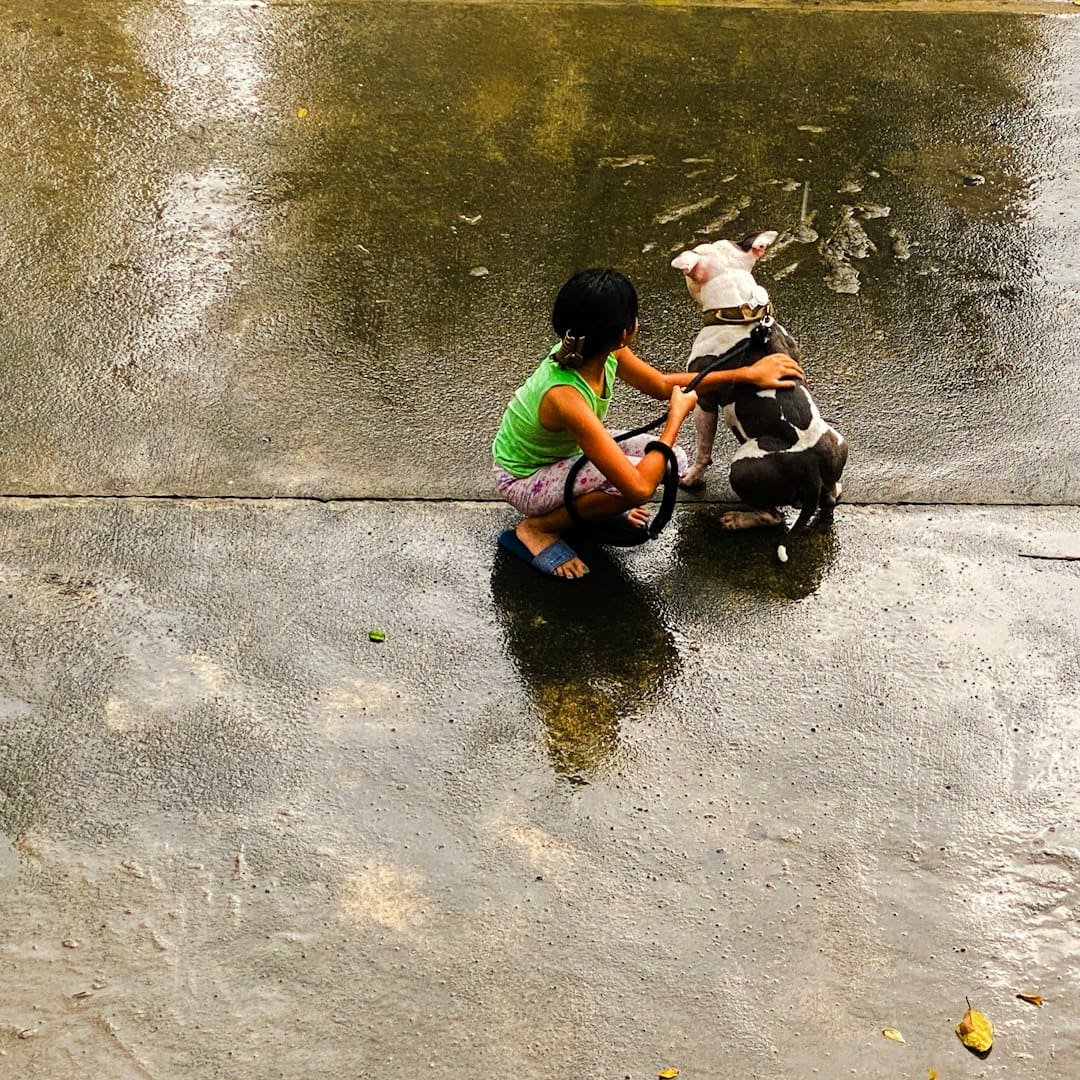
Children with ASD often experience sensory overload. Loud sounds, crowded spaces, unexpected touch. These can trigger meltdowns that are painful for the child and exhausting for the whole family. An autism support animal can serve as a sensory anchor during those difficult moments.
Physical contact with an animal has a measurable calming effect. Petting a dog or cat activates the body's parasympathetic nervous system. The system responsible for rest and calm. It lowers cortisol, the stress hormone, and can interrupt the escalation cycle before a meltdown fully takes hold.
Many parents report that their child instinctively seeks out the family dog during high-stress moments. They press their face into the dog's fur. They squeeze gently. They breathe slower. The animal does not need to be trained to perform this role. The bond itself is the tool. A formal support animal designation simply gives that bond legal recognition and protections.
Children who experience tactile sensory seeking behavior, the kind that makes it hard to sit still or self-soothe, often respond especially well to the consistent, warm pressure of an animal. Our Licensed Clinical Doctors frequently observe this pattern in children whose parents seek documentation through TheraPetic® Healthcare Provider Group.
Building Social Skills Through Animal Bonds
Social communication is one of the core challenges in ASD. Making eye contact, reading facial expressions, taking turns in conversation. These skills that come naturally to neurotypical children can require years of intentional practice for children with autism. Animals offer a surprising solution: they serve as a social bridge.
When a child with autism brings a dog into a room, something shifts. Other children approach. They ask questions. They want to pet the dog. Suddenly the child with autism has a natural, low-pressure reason to interact. The dog carries the social weight so the child does not have to carry it alone.
This phenomenon is sometimes called the "social catalyst effect" among clinicians. It has been observed consistently in therapeutic settings and in everyday home environments. The animal becomes a shared topic, a shared activity, a shared joy. That is the starting point for real social connection.
Practicing communication with an animal is also valuable on its own. A child who struggles to ask for what they need from a parent might narrate freely to a dog. They might give commands, tell stories, or simply talk. This verbal practice in a zero-pressure environment builds the kind of confidence that eventually transfers to human relationships.
How Animals Help Establish Daily Routine
Predictability matters enormously to children with autism. Disruptions to routine can cause significant distress. An autism support animal actually reinforces structure in a way that feels natural rather than forced.
Animals have their own needs and rhythms. They need to be fed at consistent times. They need walks. They need play. These animal needs create an external scaffold for the child's day. Morning feeding becomes a reliable anchor. An afternoon walk becomes a transition ritual. Evening grooming becomes a wind-down cue before bed.
Parents often tell us that their child, who resisted every structured routine they tried, will consistently follow the animal's schedule without complaint. The motivation is different. It is not about following rules. It is about caring for something they love.
That sense of responsibility is also therapeutically meaningful. Children with ASD who take on caretaking roles for animals show increases in self-esteem and a stronger sense of identity. They become "the dog's person." That role matters to them. It grounds them.

Service Dog or Support Animal: Which Does Your Child Need?
This is one of the most common questions we receive from parents. The answer depends on your child's specific needs and your family's living situation.
Under the Americans with Disabilities Act, a psychiatric service dog is individually trained to perform specific tasks that mitigate a disability. For a child with autism, this might include deep pressure therapy during a meltdown, interrupting self-injurious behavior, or guiding a child who tends to wander. Psychiatric service dogs have broad public access rights, including schools, restaurants, stores and public transportation.
A support animal, on the other hand, provides emotional and psychological support through companionship. It does not require specialized training. Under the Fair Housing Act, support animals are protected in most housing situations. Including rentals and HOA communities that would otherwise prohibit pets. This protection requires documentation from a licensed mental health or medical professional.
For many families, a support animal is the right starting point. The process is simpler, the animal does not need to be a specific breed or have extensive training, and the housing protections are meaningful and enforceable. If your child later needs task-specific support in public settings, transitioning to a trained psychiatric service dog is always an option.
Not sure which path fits your child? Our free screening tool can help you figure out the right documentation for your situation in minutes.
Legal Protections for Your Child's Support Animal
Parents often worry about whether their landlord will accept a support animal for their child. This is a valid concern. And the good news is that federal law is clear on this point.
Under the Fair Housing Act, housing providers are required to make reasonable accommodations for individuals with disabilities, including children with ASD. This means that even in a building with a strict no-pets policy, your landlord must allow your child's support animal if you have proper documentation. They cannot charge a pet deposit. They cannot refuse based on breed or weight restrictions that apply to pets.
The U.S. Department of Housing and Urban Development has published detailed guidance on this requirement. You can review the official HUD guidance at hud.gov. When your documentation comes from a qualified licensed provider, it meets the legal standard that housing providers are required to respect.
School accommodations for support animals are governed by a different set of rules, primarily under Section 504 of the Rehabilitation Act and the Individuals with Disabilities Education Act. If you believe your child would benefit from animal-assisted support in school, your first step is a conversation with your child's IEP or 504 team. That process is separate from housing documentation.
How to Get Started with a Support Animal for Your Child
The process is more straightforward than most parents expect. Here is what it looks like in practice.
First, your child needs to have a documented disability. In this case, an ASD diagnosis. You do not need to get a new diagnosis. Your existing records from a pediatrician, psychologist or developmental specialist are sufficient to establish that foundation.
Second, you need documentation from a licensed clinical provider confirming that a support animal is part of your child's therapeutic care plan. This is the letter that housing providers are legally required to recognize. At TheraPetic® Healthcare Provider Group, our Licensed Clinical Doctors conduct a clinical evaluation and produce documentation that meets the legal requirements under the Fair Housing Act.
Third, you choose your animal. There is no requirement that it be a dog, though dogs are the most common choice for children with ASD due to their social responsiveness and adaptability. Cats, rabbits and even guinea pigs have served effectively as support animals for children on the spectrum. The right animal is the one your child connects with.
You can learn more about how the documentation process works on our website before you begin. We believe every family deserves access to clear information before making any decisions.
What to Expect on This Journey
Getting a support animal for your child with autism is not a magic fix. It is one tool, a meaningful, powerful one, in a larger toolkit. The animal will need time to bond with your child. Your child will need time to adjust. There will be a learning curve for the whole family.
What parents consistently tell us, months after getting started, is that the relationship that develops between their child and the animal becomes one of the most stable and nourishing parts of that child's emotional life. That bond does not require words. It does not require eye contact. It just requires presence. And animals are remarkably good at being present.
As a 501(c)(3) nonprofit healthcare provider, TheraPetic® Healthcare Provider Group is committed to making this process accessible for every family regardless of income or background. Our mission is to connect people who need support animal documentation with qualified, compassionate Licensed Clinical Doctors who take that responsibility seriously.
If you are ready to take the next step, start with our free eligibility screening. It takes just a few minutes and gives you a clear picture of whether documentation is the right path for your child. You can also reach our care team directly at help@mypsd.org or by calling (800) 851-4390.
Written By
Ryan Gaughan, BA, CSDT #6202 — Executive Director
TheraPetic®® Healthcare Provider Group • About • LinkedIn • ryanjgaughan.com
Clinically Reviewed By
Dr. Patrick Fisher, PhD, NCC, BC-TMH, C-AAIS — Founder & Clinical Director • The Service Animal Expert™
Editorial Review
This article was reviewed by Dr. Patrick Fisher, PhD, NCC, BC-TMH, C-AAIS on June 1, 2026 for accuracy, currency, and clarity. Content is updated when laws or guidance change.