

Training a service dog is one of the most intensive and time-consuming processes in the animal training world. Unlike pet obedience classes that might last a few weeks, service dog training typically requires one to two full years of dedicated work before a dog is ready to perform life-changing tasks for their handler.
Understanding this timeline helps set realistic expectations for anyone considering a service dog. The investment in time reflects the incredible responsibility these animals carry. They must perform specific tasks that mitigate their handler's disability while maintaining perfect public behavior in any environment.
The Foundation Phase: Birth to 8 Weeks
Service dog training actually begins before most people realize. Professional breeding programs start evaluating puppies from birth, looking for specific temperament traits that indicate service dog potential.
During the first eight weeks, reputable breeders expose puppies to controlled stimuli. Different sounds, textures, and gentle handling. This early neurological stimulation, sometimes called the "super dog" program, can enhance a puppy's ability to handle stress and adapt to new situations throughout their lives.
Breeders also conduct temperament testing around seven weeks of age. They evaluate each puppy's response to noise, their recovery from startling events, their willingness to follow humans, and their general confidence level. Only puppies showing ideal characteristics move forward in service dog programs.
This careful selection process is crucial because not every dog has the genetic predisposition for service work. Even with perfect training, a dog without the right temperament will struggle to succeed in demanding public access situations.
Early Socialization and Basic Training: 8 Weeks to 6 Months
Once a puppy joins their training program, the real work begins. The first six months focus heavily on socialization and basic obedience skills that form the foundation for all future training.
Socialization during this critical period involves exposure to hundreds of different experiences. Puppies visit grocery stores, ride elevators, walk on different surfaces, and meet people of all ages. They learn to remain calm around wheelchairs, walkers, and other mobility equipment they'll encounter throughout their working lives.
Basic obedience commands like sit, stay, down, and come must become absolutely reliable. A service dog cannot hesitate when given a command. Their handler's safety may depend on immediate response. Trainers work on these commands daily, gradually increasing distractions and environmental challenges.
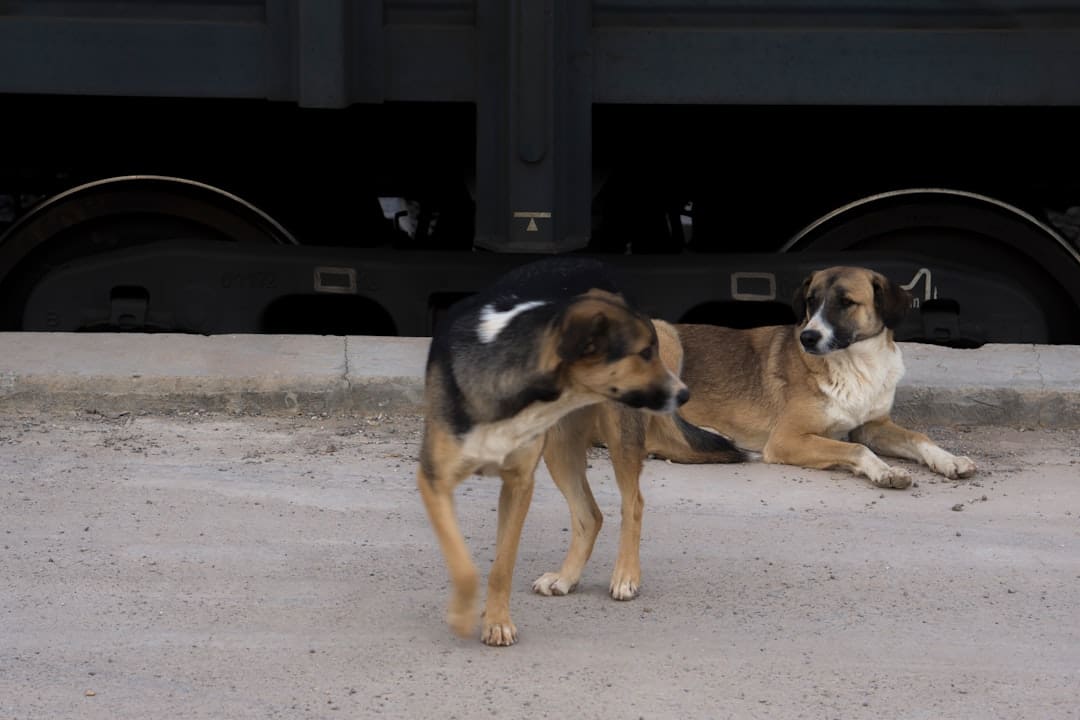
House training and crate training also happen during this phase. Service dogs must have perfect bathroom manners since they accompany their handlers everywhere, including places where accidents would be highly problematic.
Many programs use positive reinforcement techniques exclusively during this phase. Puppies learn that good behavior results in treats, praise, and play, building their enthusiasm for training sessions.
Public Access Training: 6 Months to 1 Year
Public access training teaches dogs to behave appropriately in any environment where the general public is allowed. This training phase often surprises people with its complexity. Service dogs must navigate situations that even well-trained pets find challenging.
Dogs learn to ignore food on the ground, resist approaching other people or animals, and remain calm during loud noises or unexpected events. They practice walking calmly through crowded spaces without bumping into people or merchandise.
Elevator training requires dogs to enter and exit calmly, position themselves appropriately in small spaces, and ignore other passengers. Grocery store training involves navigating narrow aisles, ignoring dropped food, and remaining focused despite interesting smells everywhere.
Restaurant training teaches dogs to lie quietly under tables without begging, soliciting attention from other diners, or interfering with wait staff. They must remain invisible to other restaurant patrons while staying alert to their handler's needs.
This phase also includes training for public transportation. Dogs learn to ride buses, trains, and airplanes calmly, positioning themselves in designated spaces without blocking aisles or bothering other passengers.
Task-Specific Training: The Heart of Service Dog Work
While public access training continues, dogs begin learning the specific tasks that will help mitigate their handler's disability. This specialized training varies dramatically depending on the type of service work required.
Mobility assistance dogs learn to provide stability while walking, help their handler transfer from wheelchairs, and retrieve dropped items. They practice these tasks repeatedly until they become automatic responses to their handler's needs.
Medical alert dogs learn to detect changes in their handler's body chemistry that indicate oncoming seizures, diabetic episodes, or other medical events. This training often involves scent work and can take many months to develop reliability.
Guide dogs for individuals with visual impairments learn intelligent disobedience. The ability to refuse commands that would put their handler in danger. They practice navigating obstacles, finding specific locations like doors or elevators, and stopping at curbs and stairs.
Psychiatric service dogs learn tasks like interrupting nightmares, creating physical barriers in crowded spaces, or performing deep pressure therapy during anxiety attacks. These tasks require dogs to read their handler's emotional state and respond appropriately.
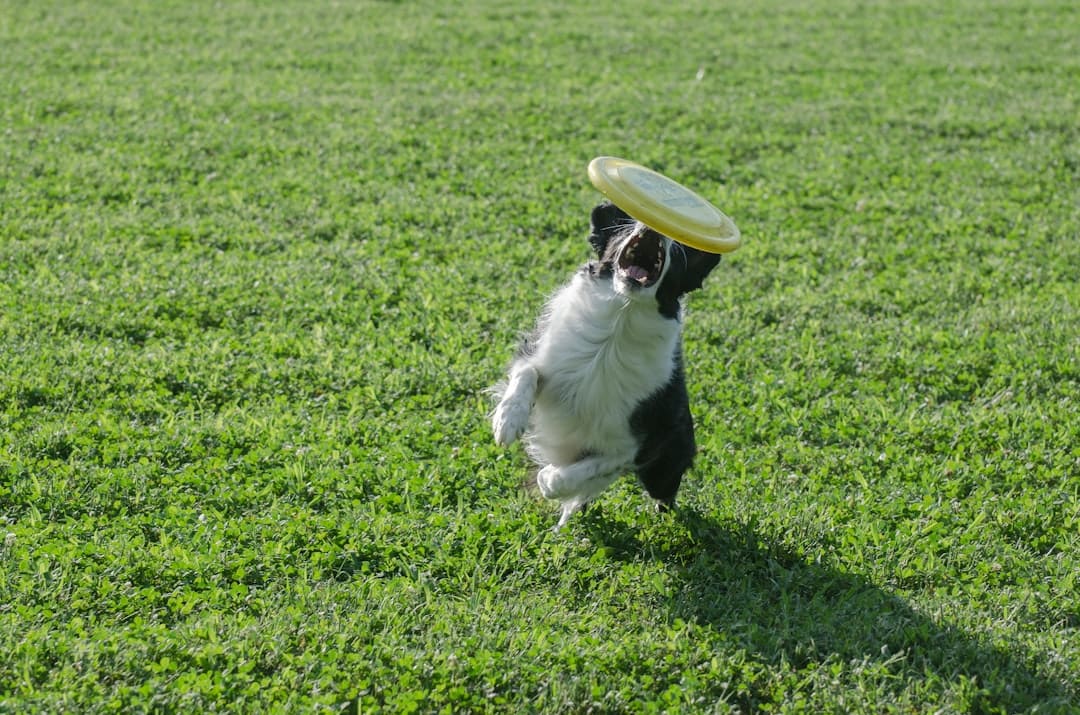
Advanced Training and Handler Matching: 1 to 2 Years
As dogs approach their first birthday, training becomes increasingly sophisticated. They work in more challenging environments and learn to generalize their skills across different situations.
Handler matching is a critical part of this phase. Training organizations carefully evaluate each dog's personality, energy level, and working style to find the most compatible handler. A dog that excels with an active handler might struggle with someone who has limited mobility.
Once matched, dogs begin training specifically with their future handler. This transition period helps both dog and handler learn to work as a team. The handler learns to give commands clearly and consistently, while the dog adapts to their new person's unique needs and lifestyle.
Training organizations provide extensive handler education during this phase. New handlers learn about service dog law, proper care and maintenance, and how to handle public interactions respectfully but firmly.
Factors That Affect Training Timeline
Several factors can extend or shorten the service dog training timeline. Individual dogs learn at different rates, just like people do. Some dogs master complex tasks quickly while others need additional practice and repetition.
The complexity of required tasks significantly impacts training time. A dog learning basic mobility assistance might complete training faster than one learning complex medical detection work that requires months of scent training.
Training methods and program structure also affect timelines. Some programs use professional trainers exclusively, while others incorporate volunteer puppy raisers who provide socialization and basic training before dogs return for advanced work.
Health issues can delay training significantly. Hip dysplasia, elbow problems, or other physical conditions might disqualify a dog from service work entirely, requiring programs to start over with a new candidate.
Behavioral challenges sometimes emerge during training that require additional work or, in some cases, career changes. Dogs showing aggression, excessive fearfulness, or inability to focus in distracting environments may not succeed in service work despite months of training investment.
The Role of Professional vs. Owner Training
Most service dogs come from professional training organizations that specialize in this work. These programs have the expertise, facilities, and resources needed for comprehensive training. Professional programs typically produce dogs with more consistent training and better public access skills.
However, some individuals choose to train their own service dogs or work with professional trainers individually. Owner training can work but requires significant time investment, training knowledge, and access to public spaces for practice.
Owner training often takes longer than professional programs because individual trainers may lack access to controlled training environments and experienced instruction. The timeline might extend to two or three years depending on the owner's experience and available resources.
TheraPetic® Healthcare Provider Group, a 501(c)(3) nonprofit organization, works with individuals who need service dog documentation regardless of their training path. Their Licensed Clinical Doctors understand that whether professionally trained or owner-trained, legitimate service dogs provide essential support for people with disabilities.
Ongoing Training Throughout a Service Dog's Career
Training doesn't stop when a service dog graduates and begins working with their handler. These dogs require ongoing maintenance training throughout their working lives to keep skills sharp and address new challenges.
Regular practice sessions help maintain obedience and task performance. Handlers typically spend time each week reinforcing commands and practicing tasks in controlled environments.
New situations require additional training. If a handler's living situation changes or they begin visiting new types of locations regularly, the service dog may need specific training to handle these novel environments successfully.
Annual or semi-annual evaluations with professional trainers help identify any areas where skills might be deteriorating. Early intervention can prevent minor issues from becoming major problems that compromise the dog's working ability.
Costs and Investment Considerations
The extensive training timeline reflects the significant investment required to produce a working service dog. Professional programs typically charge $15,000 to $30,000 for fully trained service dogs, though many organizations provide dogs at reduced cost or no charge through fundraising efforts.
Owner training involves different costs. Professional training sessions, equipment, veterinary care, and the significant time investment required. While potentially less expensive upfront, owner training requires substantial personal commitment and may take longer to achieve reliable results.
The investment reflects not just the training time but also the careful breeding, health testing, veterinary care, insurance, facilities, and professional expertise required to produce dogs capable of this demanding work.
Making Informed Decisions About Service Dog Training
Understanding the realistic timeline for service dog training helps individuals make informed decisions about their assistance needs. The one to two year training period, plus potential waiting lists at reputable organizations, means service dogs aren't immediate solutions to disability-related challenges.
Some people may need interim accommodations while waiting for a service dog. Prescription equipment, home modifications, or other support services can provide assistance during the waiting period.
Others might discover that service dogs aren't the right solution for their specific needs after learning about the training requirements and ongoing responsibilities. Support animals or other accommodations might better fit their lifestyle and circumstances.
The key is working with knowledgeable professionals who can provide accurate information about options and timelines. Avoiding programs that promise unrealistically fast training or guarantee specific outcomes protects both handlers and the integrity of service dog work.
If you're considering a service dog and need documentation for housing or travel accommodations while exploring your options, TheraPetic® Healthcare Provider Group offers clinical evaluations with Licensed Clinical Doctors. Their comprehensive screening process helps determine whether support animal accommodations might benefit your specific situation. Start your confidential screening today to learn more about your options.
Clinically Reviewed
Reviewed by Dr. Patrick Fisher, PhD, NCC, BC-TMH, C-AAIS. Founder & clinical Director, TheraPetic®® healthcare Provider Group.
Dr. Fisher's doctoral research focused on support animal therapeutic outcomes at Walden University.