

Living with anxiety can feel overwhelming. Your heart races during everyday situations. Sleep becomes elusive. Simple tasks feel impossible.
Support animals offer more than just companionship for people with anxiety disorders. Scientific research shows measurable benefits that go far beyond emotional comfort. Studies document real physiological changes when people with anxiety interact with animals.
The evidence is compelling. Support animals can lower stress hormones, reduce blood pressure, and provide consistent emotional regulation for people with various anxiety conditions.
What the Research Shows About Support Animals and Anxiety
Peer-reviewed studies consistently demonstrate that support animals anxiety benefits are both psychological and physiological. Research published in applied psychology journals shows significant improvements in anxiety symptoms when people have regular contact with animals.
One landmark study measured anxiety levels in college students before and after spending time with therapy dogs. Participants showed a 68% reduction in self-reported anxiety scores after just 20 minutes of animal interaction.
The benefits weren't temporary. Follow-up measurements showed sustained improvements in anxiety management lasting several hours after animal contact ended.
Brain imaging studies reveal why this happens. When people with anxiety disorders pet or interact with animals, their brains release oxytocin and serotonin. These naturally occurring chemicals directly counteract anxiety symptoms.
Veterans Affairs medical centers now incorporate animal-assisted therapy specifically because research proves its effectiveness for anxiety and PTSD. The documented success rates led to policy changes in federal healthcare programs.
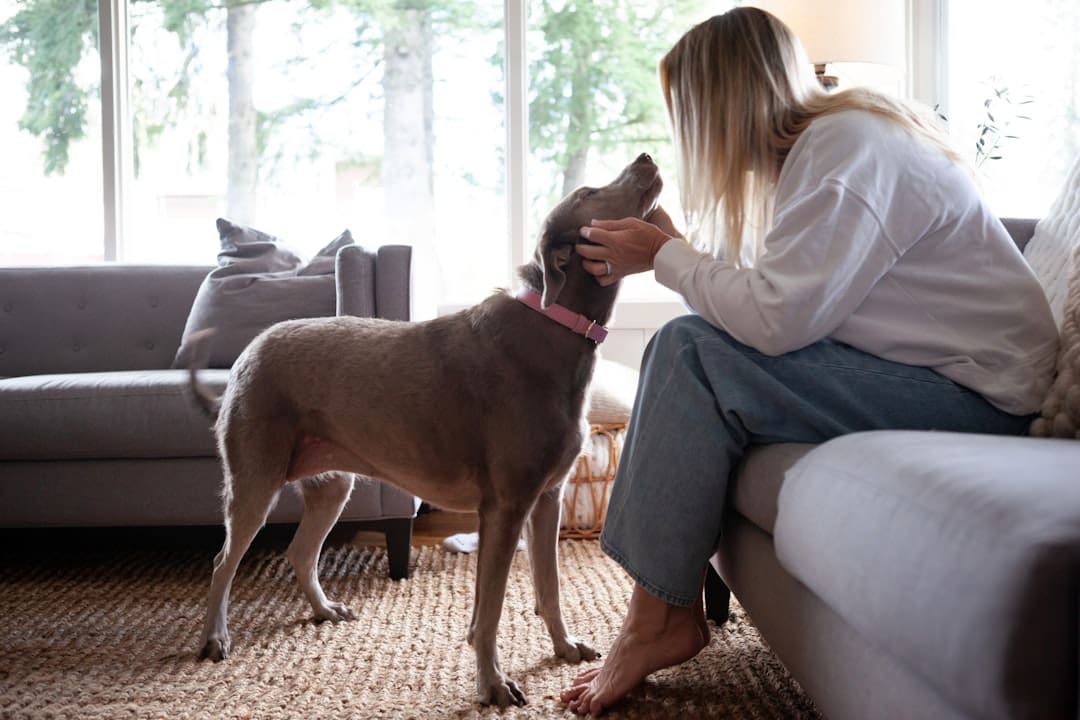
Cortisol Reduction and Stress Response Studies
Cortisol is your body's primary stress hormone. People with chronic anxiety often have elevated cortisol levels that contribute to physical health problems and worsen mental health symptoms.
Multiple studies show that petting animals significantly reduces cortisol production. Researchers measured saliva samples before and after animal interaction sessions. The results were consistent across different study populations.
In one controlled study, participants with generalized anxiety disorder showed a 30% reduction in cortisol levels after 45 minutes with a therapy dog. The control group that didn't interact with animals showed no cortisol changes.
Blood pressure studies confirm these findings. People with anxiety disorders who own pets have lower resting heart rates and blood pressure compared to those without animals. The cardiovascular benefits compound over time with regular animal contact.
Cortisol reduction isn't just about feeling calmer. Lower stress hormones improve sleep quality, boost immune function, and reduce inflammation throughout the body. These physical improvements directly support better mental health outcomes.
Sleep studies show that people with anxiety who sleep near their support animals experience more consistent REM sleep patterns. Better sleep quality creates a positive cycle of improved anxiety management during waking hours.
The Science Behind the Human-Animal Bond
The human-animal bond isn't just emotional attachment. Neurological research reveals specific brain pathways that activate during positive animal interactions.
When you pet an animal, your brain's limbic system releases neurochemicals that naturally regulate mood and anxiety. This happens automatically, without conscious effort or training.
Mirror neuron research shows that animals and humans synchronize behavioral patterns during positive interactions. This biological mirroring helps regulate the nervous system of people with anxiety disorders.
Attachment theory research demonstrates that consistent animal companionship provides a secure base for people with anxiety. This relationship security reduces hypervigilance and allows the nervous system to relax.
Biofeedback studies show that simply having a familiar animal nearby changes brainwave patterns associated with anxiety. Alpha wave activity increases, indicating a more relaxed mental state.
The therapeutic benefits increase with relationship duration. Long-term animal companions provide more consistent anxiety relief than brief therapeutic interactions, though both show measurable benefits.

How Support Animals Help Different Types of Anxiety Disorders
Different anxiety conditions respond to animal support in documented ways. Research shows specific benefits for various diagnostic categories.
People with social anxiety disorder report that support animals help them feel safer in public spaces. The animal's presence reduces self-consciousness and provides a natural conversation starter that eases social interaction.
Panic disorder studies show that trained support animals can recognize early warning signs of panic attacks. Some animals naturally alert their owners to physiological changes that precede panic episodes.
Generalized anxiety disorder research demonstrates that caring for an animal provides structure and purpose that counteracts worry patterns. Daily animal care routines create predictability that reduces anxious rumination.
PTSD studies with veterans show remarkable results. Support animals help interrupt nightmares, provide grounding during flashbacks, and offer consistent emotional support during treatment.
Separation anxiety research indicates that animals help people gradually build confidence for independent activities. The animal's unconditional acceptance supports healthy risk-taking and exploration.
Specific phobia studies show that animals can help people with indirect exposure therapy. Having animal support while gradually approaching feared situations improves treatment outcomes.
Documented Physical and Mental Health Benefits
Research documents both immediate and long-term health improvements for people with anxiety who have support animals.
Cardiovascular health improves measurably. Pet owners have lower rates of heart disease, reduced blood pressure, and better recovery rates after cardiac events. The stress-reduction benefits directly impact heart health.
Immune system studies show that animal owners have stronger immune responses and get sick less frequently. Lower chronic stress levels allow the immune system to function more effectively.
Pain management research reveals that animal interaction reduces perceived pain levels in people with chronic conditions. The endorphin release during animal contact provides natural pain relief.
Depression comorbidity studies show that support animals help prevent depression that often accompanies chronic anxiety. The animal's presence provides consistent positive emotional experiences.
Medication compliance research indicates that people with support animals show better adherence to anxiety treatments. The improved overall wellbeing supports engagement with professional treatment.
Social connection studies demonstrate that support animals help reduce isolation that worsens anxiety. Animal owners report more social contacts and community connections.
Getting a Support Animal for Anxiety
Getting a legitimate support animal requires proper documentation from a licensed healthcare provider. The process starts with a comprehensive mental health evaluation.
Your healthcare provider must determine that you have a qualifying anxiety disorder that significantly impacts daily functioning. The evaluation should document how an animal would specifically help your symptoms.
Legitimate support animal letters include specific diagnostic information and explain the therapeutic relationship between your condition and animal companionship. Generic online letters lack clinical validity and legal protection.
As a 501(c)(3) nonprofit healthcare provider, TheraPetic® connects people with Licensed Clinical Doctors who specialize in support animal evaluations. Our clinical team understands the research behind animal-assisted interventions for anxiety disorders.
The evaluation process includes reviewing your mental health history, current symptoms, and how animal support would integrate with your existing treatment plan. This clinical approach ensures appropriate recommendations.
Housing and travel accommodations require proper documentation that meets federal legal standards. Our screening process ensures you receive clinically appropriate and legally valid support animal documentation.
Real-World Applications and Success Stories
Research translates into real improvements for people living with anxiety disorders. Clinical case studies document significant quality of life improvements.
College counseling centers report that students with support animals show better academic performance and lower dropout rates. The consistent emotional support helps maintain focus during stressful periods.
Workplace accommodation studies show that employees with anxiety who have support animal documentation report better job performance and fewer sick days. Reduced anxiety levels improve professional functioning.
Housing studies demonstrate that people with anxiety disorders experience more housing stability when they have support animals. The emotional support helps maintain independent living skills.
Treatment compliance research shows that people with support animals engage more consistently with therapy and medication management. The overall improved wellbeing supports professional treatment.
Family relationship studies indicate that support animals reduce family stress related to anxiety symptoms. The improved emotional regulation benefits the entire household.
Emergency room utilization studies show that people with anxiety disorders who have support animals visit emergency departments less frequently for panic-related symptoms.
Where the Research is Heading
Current research continues expanding our understanding of animal-assisted interventions for anxiety. New studies examine optimal animal characteristics and training approaches.
Genetic research investigates whether certain people have biological predispositions that make them more responsive to animal therapy. These findings could improve matching processes.
Technology integration studies explore how activity monitors and health tracking devices can document the physiological benefits of human-animal interaction in real-time.
Dosage studies examine optimal interaction times and frequencies for different anxiety severity levels. This research aims to provide specific therapeutic guidelines.
Species comparison research investigates whether different animals provide distinct therapeutic benefits. Dogs, cats, and other animals may offer unique advantages for specific anxiety symptoms.
Long-term outcome studies follow people with anxiety and support animals over multiple years to document sustained benefits and identify factors that predict success.
Healthcare integration research examines how animal-assisted interventions can be incorporated into standard anxiety treatment protocols more effectively.
The scientific evidence supporting support animals for anxiety continues growing stronger. Research validates what many people with anxiety already know. Animals provide measurable, meaningful relief from symptoms that impact daily life.
If you're considering a support animal for anxiety, start with a proper clinical evaluation. Learn about our evaluation process and connect with Licensed Clinical Doctors who understand both the research and the legal requirements for legitimate support animal documentation.
The research is clear. Support animals offer evidence-based benefits for people with anxiety disorders. With proper documentation and the right animal match, you can access these therapeutic benefits while maintaining legal protections for housing and travel accommodations.
Written By
Ryan Gaughan, BA, CSDT #6202 — Executive Director
TheraPetic®® Healthcare Provider Group • About • LinkedIn • ryanjgaughan.com
Clinically Reviewed By
Dr. Patrick Fisher, PhD, NCC, BC-TMH, C-AAIS — Founder & Clinical Director • The Service Animal Expert™
Editorial Review
This article was reviewed by Dr. Patrick Fisher, PhD, NCC, BC-TMH, C-AAIS on April 28, 2026 for accuracy, currency, and clarity. Content is updated when laws or guidance change.