

Living with panic disorder can feel overwhelming and unpredictable. Support animals provide a unique form of therapeutic assistance that can help you manage both acute panic attacks and ongoing anxiety symptoms. Understanding how these specially chosen companions can become part of your treatment plan offers hope for better daily functioning and improved quality of life.
Understanding Panic Disorder and Animal Support
Panic disorder affects millions of Americans and involves recurring panic attacks that can happen without warning. These intense episodes often include rapid heartbeat, sweating, trembling, shortness of breath, and overwhelming fear. Many people with panic disorder also develop anticipatory anxiety about when the next attack might occur.
Support animals can provide consistent emotional support that helps reduce the frequency and intensity of panic symptoms. Unlike psychiatric service dogs, support animals do not require specialized training to perform specific tasks. Instead, their therapeutic value comes from the natural bond and comfort they provide through companionship.
The presence of a calm, affectionate animal can help regulate your nervous system. When you pet or hold your support animal, your body releases oxytocin and reduces cortisol levels. This biological response helps counteract the stress hormones that fuel panic attacks.

Immediate Support During Panic Attacks
When a panic attack begins, your support animal can provide several forms of immediate assistance. The weight and warmth of your animal creates a grounding sensation that helps you focus on something real and present. This physical contact interrupts the spiral of catastrophic thoughts that often make panic attacks worse.
Your support animal's breathing can serve as a natural guide for your own breathing. Focusing on the steady rhythm of your dog or cat breathing helps you slow down your own rapid, shallow breathing. This technique addresses one of the most frightening aspects of panic attacks.
The responsibility of caring for your animal during an attack can redirect your attention away from panic symptoms. Even simple actions like petting or talking to your support animal give your mind something concrete to focus on instead of fear-based thoughts.
Support animals often sense distress and will naturally seek closer contact during difficult moments. This instinctive response provides comfort without requiring any special training on your part or the animal's part.
Grounding Techniques Using Your Support Animal
Grounding techniques help you stay connected to the present moment when panic threatens to overwhelm you. Your support animal can become an active participant in several effective grounding strategies that mental health professionals recommend for panic disorder management.
The "5-4-3-2-1" technique works well with support animals. Name 5 things you can see about your animal, 4 things you can touch on their fur or body, 3 sounds they make, 2 scents you notice, and 1 taste that comes to mind when you think of them. This systematic approach uses all your senses to anchor you in reality.
Temperature grounding involves noticing the warmth of your support animal's body against your skin. Press your hands into their fur or hold them close and focus entirely on the sensation of warmth. This technique is particularly effective because panic attacks often involve feeling cold or experiencing chills.
Movement grounding with your support animal can include gentle activities like brushing their fur, playing with a toy, or taking slow steps around your home together. The repetitive motion combined with your animal's presence helps regulate your nervous system.
Counting exercises work well when you count your support animal's breaths, heartbeats you can feel, or the number of different colors in their coat. These activities require enough concentration to interrupt panic thoughts while remaining simple enough to do during distress.
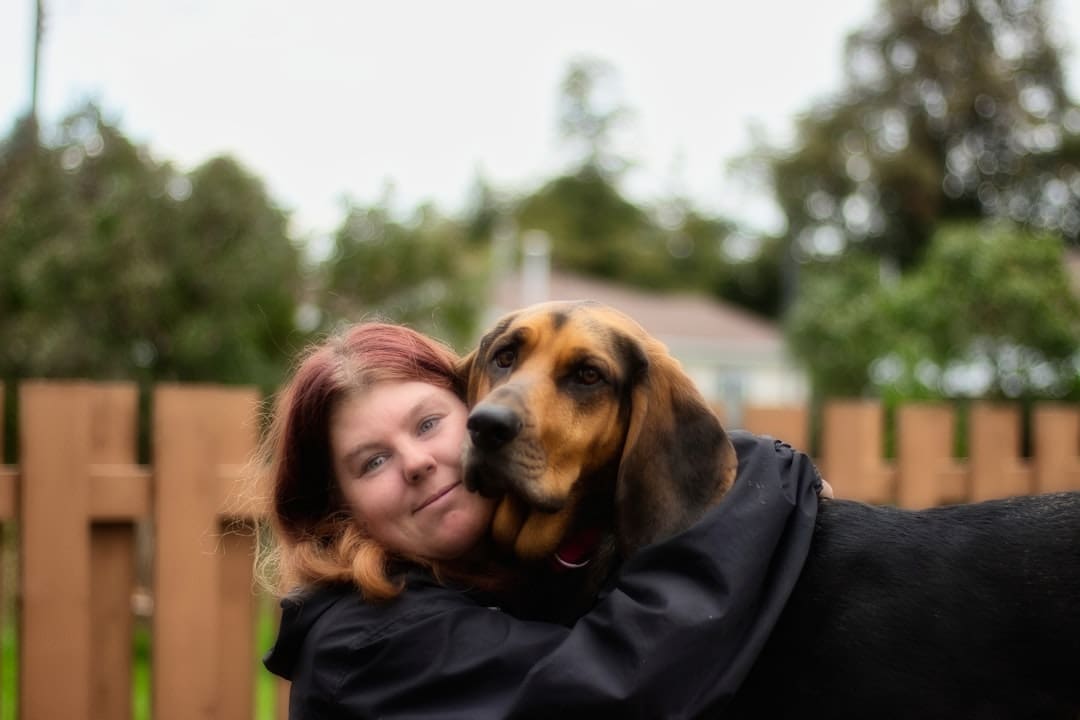
Managing Anxiety Between Panic Attacks
Support animals provide ongoing anxiety management that can help prevent panic attacks from occurring. The constant presence of a calm companion helps maintain lower baseline anxiety levels throughout your daily routine.
Regular interaction with your support animal creates natural opportunities for stress relief. Petting, grooming, or simply sitting together releases tension that might otherwise build up and trigger panic symptoms. These activities also provide structure to your day.
Sleep quality often improves with a support animal present. Many people with panic disorder struggle with sleep anxiety or worry about having nighttime panic attacks. Having your support animal nearby provides reassurance that helps you relax more completely at bedtime.
Social anxiety that often accompanies panic disorder can be reduced when you have your support animal with you in appropriate settings. The animal provides a natural conversation starter and helps you feel less self-conscious in social situations.
Exercise and outdoor activities become more appealing when you have a support animal companion. Regular physical activity is crucial for managing panic disorder, and many people find it easier to maintain exercise routines when they involve their animal.
When to Consider a Psychiatric Service Dog
While support animals provide valuable companionship, some people with panic disorder may benefit more from a psychiatric service dog. Service dogs receive extensive training to perform specific tasks related to their handler's disability and have broader public access rights under the Americans with Disabilities Act.
Psychiatric service dogs can be trained to perform tasks like interrupting nightmares, providing deep pressure therapy during panic attacks, retrieving medications, or guiding their handler to exits during dissociative episodes. These trained behaviors go beyond the natural comfort that support animals provide.
The decision between a support animal and psychiatric service dog often depends on the severity of your symptoms and your functional limitations. People whose panic disorder significantly impacts their ability to work, attend school, or participate in daily activities may find service dog tasks more helpful.
Cost is another important consideration. Psychiatric service dogs require professional training that can cost thousands of dollars, while support animals need only the companionship they naturally provide. Professional evaluation can help determine which option best fits your specific needs and circumstances.
Training time also differs significantly. Psychiatric service dogs may require months or years of specialized training, while you can begin benefiting from a support animal immediately once you have proper documentation.
Building Daily Routine and Structure
Support animals naturally create structure in your daily routine, which is particularly beneficial for managing panic disorder. The responsibility of caring for another living being provides purpose and predictability that can reduce overall anxiety levels.
Morning routines become more consistent when you have a support animal depending on you for food, exercise, and attention. This structure helps you start each day with a sense of accomplishment and purpose rather than worry about potential panic attacks.
Regular feeding schedules, exercise times, and grooming activities create anchor points throughout your day. These consistent activities provide stability that can help prevent the buildup of stress and anxiety that sometimes triggers panic episodes.
The responsibility of caring for your support animal can also provide motivation during difficult periods when panic disorder makes it hard to care for yourself. Knowing that your animal needs you can provide the push needed to get out of bed, leave the house, or maintain basic self-care.
Evening routines with your support animal can help you wind down and prepare for sleep. Activities like gentle play, grooming, or quiet companionship signal to your body that it's time to relax and transition toward rest.
Getting Started with Support Animal Documentation
If you're considering a support animal for panic disorder management, the first step involves getting proper documentation from a Licensed Clinical Doctor. This documentation, called a Support Animal Letter, confirms that you have a mental health condition that would benefit from animal companionship.
The evaluation process typically involves discussing your panic disorder symptoms, how they impact your daily functioning, and how a support animal might help with your specific challenges. Licensed Clinical Doctors can assess whether animal companionship would be an appropriate addition to your treatment plan.
Support Animal Letters provide legal protections for housing under the Fair Housing Act, allowing you to live with your support animal even in properties with no-pets policies. This protection ensures you can maintain the therapeutic relationship with your animal in your living space.
Choosing the right support animal involves considering factors like your living situation, activity level, and personal preferences. Dogs and cats are the most common choices, but other animals may be appropriate depending on your specific needs and circumstances.
As a 501(c)(3) nonprofit healthcare provider, TheraPetic® Healthcare Provider Group connects individuals with Licensed Clinical Doctors who understand the therapeutic benefits of support animals for mental health conditions like panic disorder.
Support animals offer a unique form of therapeutic assistance for managing panic disorder. From providing immediate comfort during panic attacks to helping build stable daily routines, these companions can become valuable partners in your mental health journey. Whether you choose a support animal or eventually consider a psychiatric service dog, animal companionship can provide the consistent emotional support that makes living with panic disorder more manageable.
Ready to explore how a support animal might help with your panic disorder? Start your confidential evaluation today to connect with Licensed Clinical Doctors who specialize in support animal documentation and mental health treatment planning.
Written By
Ryan Gaughan, BA, CSDT #6202 — Executive Director
TheraPetic®® Healthcare Provider Group • About • LinkedIn • ryanjgaughan.com
Clinically Reviewed By
Dr. Patrick Fisher, PhD, NCC, BC-TMH, C-AAIS — Founder & Clinical Director • The Service Animal Expert™
Editorial Review
This article was reviewed by Dr. Patrick Fisher, PhD, NCC, BC-TMH, C-AAIS on April 26, 2026 for accuracy, currency, and clarity. Content is updated when laws or guidance change.