

Why Planning Matters for Service Dog Travel
Road trips with your service dog can be genuinely wonderful. Open roads, fresh air, and your most trusted companion beside you. But service dog travel takes a different kind of preparation than traveling with a pet.
Your dog is a working animal. New smells, loud rest stops, crowded gas stations and unfamiliar surfaces can all challenge even the most well-trained dog. A little advance planning makes the difference between a smooth trip and a stressful one.
At TheraPetic® Healthcare Provider Group, our clinical team works with handlers every week who are nervous about traveling with their service dog for the first time. The good news is that with the right preparation, most dogs adapt quickly. Your job is to set them up for success before you ever pull out of the driveway.
Your Legal Rights on the Road
Understanding your rights before you travel removes a huge source of anxiety. Under the Americans with Disabilities Act, a service dog is defined as a dog trained to perform specific tasks related to a person's disability. This is a critical distinction.
Service dogs are not pets under federal law. Businesses that are open to the public must allow your service dog to accompany you. That includes rest stop restaurants, hotel lobbies, gas station convenience stores and roadside diners.
A business may only ask two questions: whether the dog is a service animal required because of a disability, and what work or task the dog has been trained to perform. They cannot ask for documentation, require a vest or ask about your diagnosis.
That said, your dog must remain under control at all times. If your dog is disruptive or poses a direct threat, a business can ask you to remove the animal. Knowing this keeps you confident and prepared when someone questions you on the road.
For the official federal guidance on service animal rights in public accommodations, the ADA.gov service animal resource page is the most accurate and current source available.
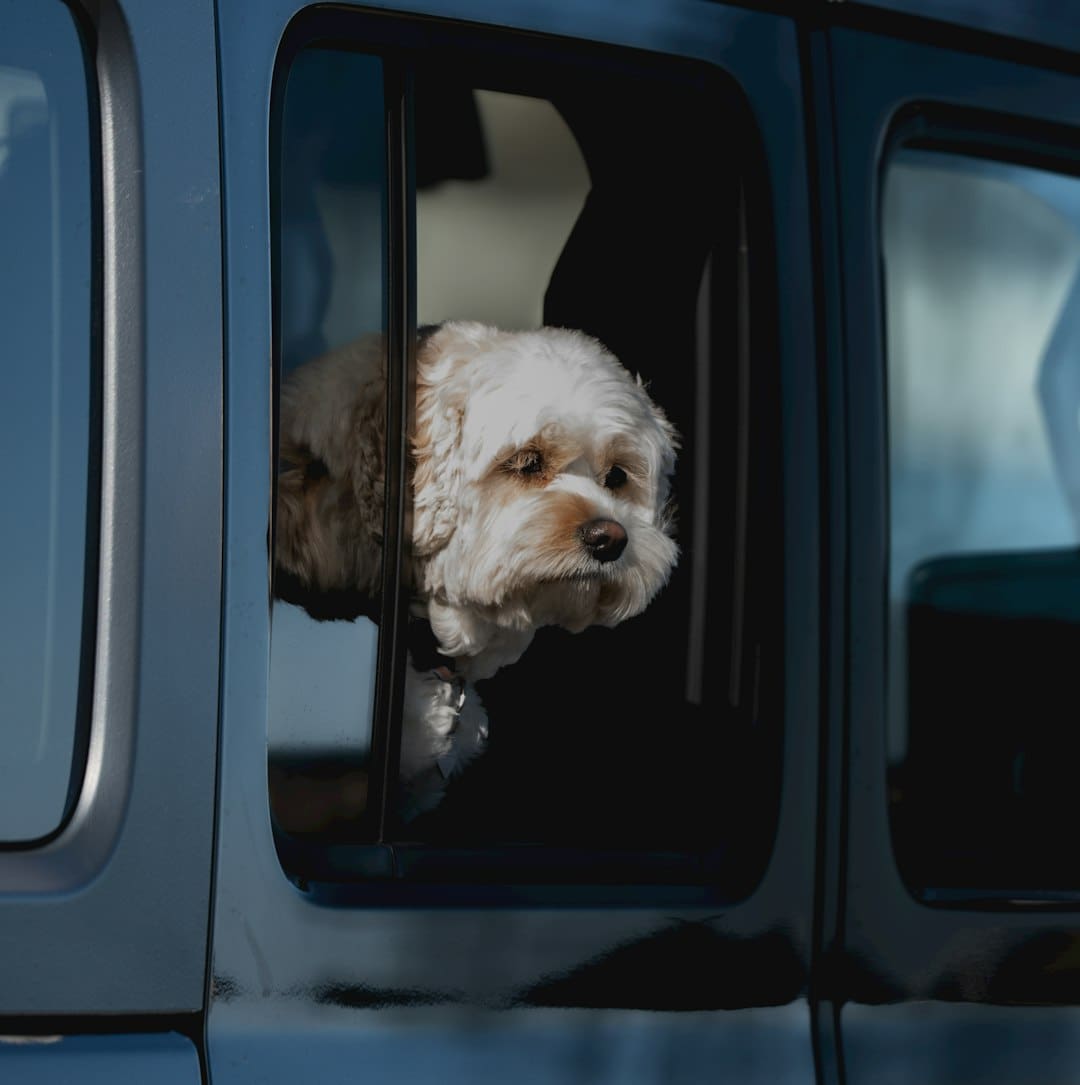
Packing Essentials for Your Service Dog
Packing for your service dog deserves its own list. Do not just throw a bag of food in the back seat and call it done. Service dog travel requires specific supplies that support both your dog's health and their ability to work effectively.
Food and Water
Pack enough of your dog's regular food for the full trip plus two extra days. Switching foods on the road causes digestive problems. Bring a collapsible water bowl and offer water at every stop. Dehydration affects a working dog's focus and stamina.
Medical Records and Identification
Carry a copy of your dog's vaccination records, especially rabies. Some states require proof of vaccination if your dog has an incident. A laminated card with your dog's photo, your name and your contact number is also smart to have on hand.
Comfort Items
Bring your dog's familiar blanket or a worn piece of your clothing. Familiar scents reduce stress in new environments. If your dog uses a specific crate or bed at home, use a travel version of the same.
First Aid Supplies
A basic dog first aid kit should include gauze, adhesive tape, antiseptic wipes, tweezers for ticks, and your vet's emergency number. You will not need it most trips. When you do, you will be very glad it is there.
Your Service Dog Gear
Bring your dog's working vest, leash and any task-specific equipment they use. Even if your dog does not legally need to wear their vest, it signals to the public that your dog is working. This often prevents confrontations before they start.
Managing Rest Stops Without the Stress
Rest stops are one of the trickier parts of service dog travel. They are busy, unpredictable and full of other animals, children and strangers who want to pet your dog.
Plan stops every two to three hours. Working dogs need to relieve themselves regularly, and cramped travel positions create physical tension over long drives. A quick ten-minute walk at each stop keeps your dog loose, focused and ready to continue working.
Give your dog a "working" cue before entering any busy area. This tells them to stay focused on you rather than investigating the environment. When it is time to relieve themselves, use a consistent "potty" or "go" cue in a low-distraction area away from the parking lot entrance.
Keep your phone charged and use Google Maps or similar apps to identify rest stops in advance. Knowing where the next stop is prevents the scramble of pulling off at an unknown exit with nowhere safe for your dog to work.
Helping Your Dog Handle New Environments
Even a highly trained service dog can experience stress in novel environments. This is not a failure of training. It is biology. New places carry new sounds, smells and unpredictable social interactions that require your dog to process more information than usual.
Watch for signs of stress: yawning excessively, panting without heat, lip licking, shaking or reluctance to move. These are calming signals that your dog is working hard to manage the environment. Do not push through them. Pause, give your dog space and let them settle.
Our Licensed Clinical Doctors at TheraPetic® consistently observe that handlers who stay calm transmit that calm to their dogs. Your nervous system and your dog's nervous system are closely connected. If you feel anxious at a noisy rest stop, your dog often mirrors that anxiety.
Practice slow, steady breathing. Keep your body language relaxed. Use your normal voice. Dogs pick up on tension in your posture, grip strength and tone faster than most people realize.
If your dog is managing new environments with consistent difficulty, this is worth discussing with a veterinary behaviorist before your trip. It may also be worth reviewing whether your own anxiety is being well managed through your treatment plan. Our screening process connects you with Licensed Clinical Doctors who can address both the human and the animal side of this equation.

Finding Dog-Friendly Stops Along the Way
Here is where service dog travel gets a bit more nuanced. Your service dog has access rights that a pet does not. But that does not mean every stop will be comfortable or welcoming. Knowing where you are likely to be welcomed warmly makes the trip more enjoyable.
National and state parks are outstanding stops for service dog travel. Most outdoor spaces are open to dogs on leash. A short trail walk resets both of you mentally and gives your dog a chance to engage their nose in a positive, low-pressure way.
Chain restaurants with outdoor seating are generally dog-friendly even for pets, which means service dogs experience no friction there. Apps like BringFido.com help identify pet-welcoming businesses at specific highway exits. This is useful for planning lunch stops where you can eat outside with your dog nearby.
Avoid crowded indoor malls or large box stores during peak hours if your dog is still building environmental confidence. You have the legal right to enter with your service dog, but choosing quieter hours reduces unnecessary stress for both of you.
Farm stands, outdoor markets and state welcome centers tend to be calm, open and staffed by friendly people. These make excellent mid-trip breaks with low overstimulation risk.
Overnight Stays and Hotel Rights
Service dog travel almost always involves an overnight stay at some point. This is where many handlers feel the most uncertainty. The rule here is straightforward.
Hotels open to the public must allow your service dog. They cannot charge a pet fee for a service animal. Under the Americans with Disabilities Act, a service dog is not a pet, and a pet deposit or fee is not allowed.
Some hotel front desk staff are not familiar with this rule. Stay calm and clear. You can say: "My dog is a trained service animal, not a pet. Under the ADA, you are not permitted to charge a pet fee for a service animal." You do not need to produce documentation. Two questions only, as described earlier.
If a hotel refuses to accommodate your service dog, contact the ADA National Network at 1-800-949-4232 for guidance. You can also file a complaint with the Department of Justice.
Book hotels in advance and note in your reservation that you will be traveling with a service animal. This is not required by law, but it prevents friction at check-in and gives staff time to prepare an appropriate room.
Request a ground-floor room when possible. Frequent bathroom trips in the night are easier without elevators, and a quick exit to a grassy area keeps your dog's routine intact even in an unfamiliar space.
As a 501(c)(3) nonprofit healthcare provider, TheraPetic® Healthcare Provider Group is committed to making sure handlers have access to accurate, clinically supported information. Whether you are planning your first road trip or your tenth, knowing your rights changes everything. Learn more about how we support handlers at our mission page.
Before You Go: Final Checklist
A great road trip starts before you leave the house. Run through this list the night before departure and travel with far more confidence.
Visit your vet. Schedule a wellness check two to three weeks before a long trip. Confirm vaccinations are current. Discuss any anxiety concerns or motion sickness history. Ask whether a calming supplement is appropriate for your dog.
Practice the car. If your dog is not used to long drives, do short trial runs in the week before you leave. Build up gradually. A dog that has ridden forty-five minutes comfortably will do far better on a seven-hour drive.
Map your route with stops. Identify rest stops, outdoor dining options and at least one backup hotel along your route. Know where the nearest emergency vet clinic is at each overnight destination. The AVMA Veterinarian Locator is a useful resource for this.
Secure your dog safely. A dog moving freely in a vehicle is a safety risk for you and for them. Use a crash-tested harness attached to the seat belt, or a secured travel crate. This also keeps your dog calmer during long stretches of highway driving.
Update your dog's ID. Make sure your dog's collar tag has your current phone number. If your dog is microchipped, confirm your contact information is up to date in the microchip registry before you leave.
Road trips with a service dog are genuinely achievable. They can be among the most grounding, connecting experiences you have with your animal. The relationship between a handler and a well-supported service dog deepens through shared experiences, including new places, new smells and the quiet rhythm of the open road.
If you have questions about documentation, your dog's status or how to prepare for travel, reach out to our clinical team at go.mypsd.org or call us at (800) 851-4390. We are here to help you travel with confidence.
Written By
Ryan Gaughan, BA, CSDT #6202 — Executive Director
TheraPetic®® Healthcare Provider Group • About • LinkedIn • ryanjgaughan.com
Clinically Reviewed By
Dr. Patrick Fisher, PhD, NCC, BC-TMH, C-AAIS — Founder & Clinical Director • The Service Animal Expert™
Editorial Review
This article was reviewed by Dr. Patrick Fisher, PhD, NCC, BC-TMH, C-AAIS on April 30, 2026 for accuracy, currency, and clarity. Content is updated when laws or guidance change.